
Growing and processing
What a roaster can expect from Zambian Arabica, which varieties Zambian farms plant, and what decides quality long before a sample is roasted.
Arabica only, by law
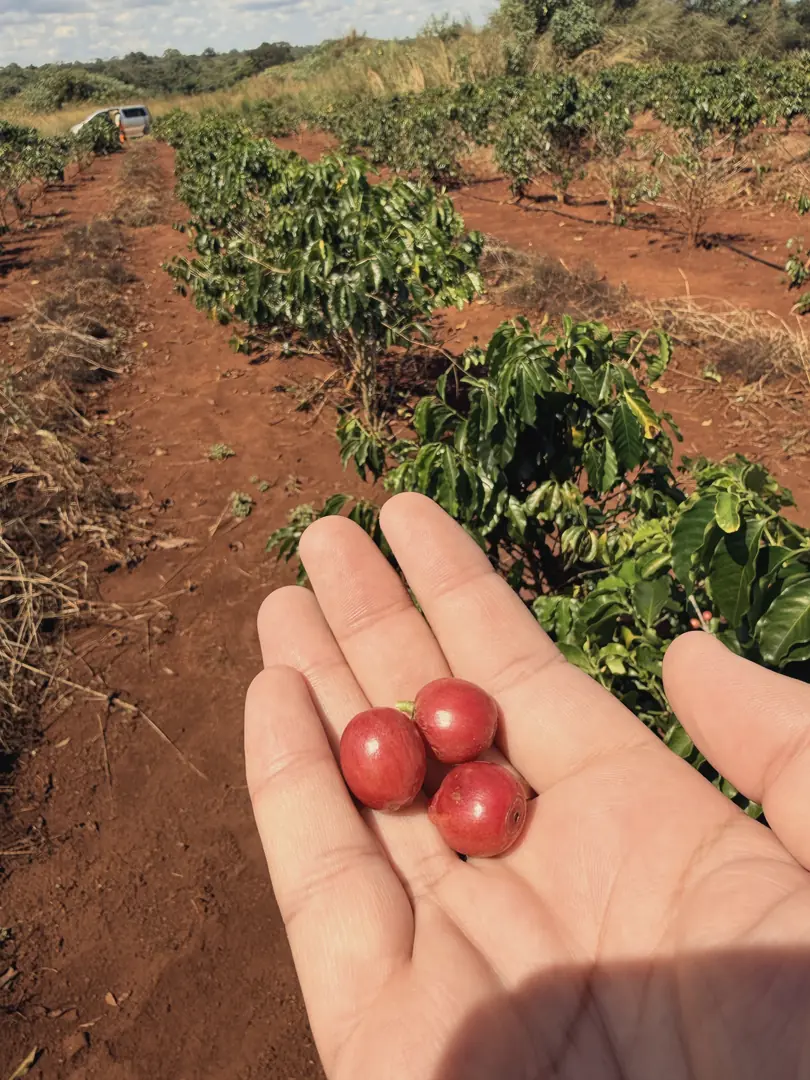
In Zambia the species question is settled by statute. Section 17 of the Coffee Act, Act No. 24 of 1989, states that no coffee other than Arabica shall be grown in Zambia. A buyer never needs to ask whether a Zambian lot contains Robusta. The useful questions start one level down: which Arabica, grown where, and processed how.
Which coffee varieties grow in Zambia?
Zambia’s variety mix reflects its history. When the World Bank built up the industry in the 1970s, its projects used Kenya as the model (Perfect Daily Grind), and Kenyan varieties are still part of the picture.
SL28 and SL34
Perfect Daily Grind names SL-28, a variety originally from Kenya, among Zambia’s common varieties. Algrano lists SL34 among the older Kenyan-derived varieties still grown.
Catimor and Nyika
Catimor appears in every source we checked. Perfect Daily Grind notes that it is valued for its resistance to disease and pests, and Algrano refers to Catimor types. A Starbucks origin sheet lists Catimor alongside Nyika.
Starmaya and Marsellesa
Algrano reports that newer varieties such as Starmaya and Marsellesa are now being planted commercially. For buyers, that suggests a sector that is replanting, not standing still, with younger plantings growing alongside the older Kenyan lines.
We have not listed the varieties on our own estate here. If you are evaluating coffee from Mwinilunga, ask us for variety and lot details as part of a supply conversation.
What does Zambian coffee taste like?
The most useful description we found comes from Algrano, which sells Zambian lots to roasters. It associates washed Zambian coffees with clean and balanced cups, medium to good acidity and medium body. Profiles, in Algrano’s words, “can move between citrus and fruit, chocolate and caramel, with occasional spicy characteristics.”
Treat that as a range for the origin, not a description of any single lot. Variety, altitude, picking and processing all move a coffee within it, and some of those factors change from estate to estate and from season to season.
What drives quality in Zambian Arabica?
Quality is not added at the end. It is protected at each stage, or lost at one. Five stages matter most.
- Altitude. Algrano says most Zambian coffee grows above 1,200 metres, with the best lots well past 1,500.
- Ripe picking. On farms that pick selectively, pickers rotate among the trees every 8 to 10 days, picking only the ripe cherries (National Coffee Association).
- Processing. Most Zambian coffee is fully washed, according to Algrano: skin and fruit are removed before the bean is dried. Our guide to the washed coffee process covers each step.
- Drying. Washed coffee is dried in its parchment before milling. On our estate it dries on raised beds and is sorted by hand.
- Lot control. Keeping each day’s picking and each block separate is what lets a buyer taste one place rather than a mixture.
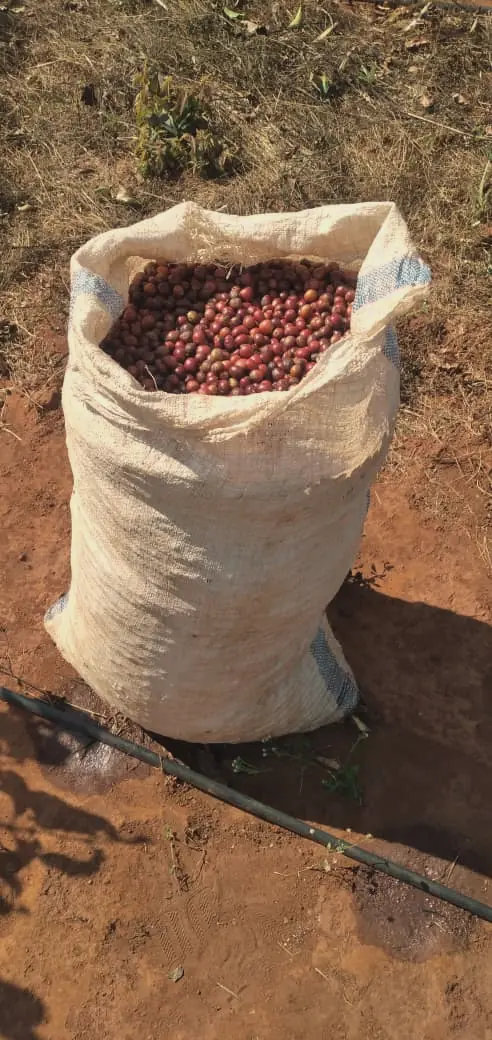
On our estate in Mwinilunga, the development plan connects careful crop management with harvesting, processing, drying and lot control, so that quality can be protected through each stage of the coffee’s journey (our story). The field side of that work, from nursery to irrigation, is covered in coffee farming in Zambia.
A flavour identity still forming
Algrano puts it plainly: Zambia does not yet have the immediately recognisable flavour shorthand associated with origins such as Kenya or Ethiopia. Zambia is also taking part in AFCA’s Taste of Harvest programme, which provides a platform for coffee quality assessment.
Our view is that this is an opening, not a weakness. An origin without a fixed reputation is one where growers and roasters can still define what it stands for, lot by lot. If you want to be part of that, talk to us about green coffee supply. For the broader picture, read our complete guide to Zambian coffee, and for the trade vocabulary, our green coffee glossary.
Questions roasters ask about Zambian Arabica
Is Zambian coffee Arabica or Robusta?
Arabica. Section 17 of the Coffee Act states that no coffee other than Arabica shall be grown in Zambia.
What does Zambian coffee taste like?
Algrano describes washed Zambian coffees as generally clean and balanced, with medium to good acidity and medium body, moving between citrus and fruit, chocolate and caramel, with occasional spicy notes.
Which coffee varieties grow in Zambia?
Sources name SL28, SL34, Catimor types and Nyika, with Starmaya and Marsellesa now being planted commercially.
Is Zambian coffee specialty grade?
That depends on the lot, not the country. Under the Coffee Act only the Zambia Coffee Growers Association may classify Zambian coffee, and Zambia takes part in AFCA’s Taste of Harvest programme for quality assessment. Lunga Coffee does not publish cupping scores.
Does Lunga sell roasted coffee?
Not yet. Lunga Coffee grows and supplies green Arabica. Medium and dark roast coffee, followed by packaged ground coffee, are planned for the future, once demand and processing and distribution capacity are proven.